
STATUS
Am I self-employed?
GOV.UK says you are self-employed if you run your business for yourself and take responsibility for its success or failure.
The signsWHAT GOV.UK SAYS
Freelancing starts with the work. The forms follow.
GOV.UK sets out a short path for sole traders: check you are self-employed, keep records from the first day, register for Self Assessment once you pass £1,000 in a tax year, and know the dates.

5 OCTOBER the date to tell HMRC
THE SHORT ANSWER
These are the official basics for sole traders.
Your own situation may need more.
STATUS
GOV.UK says you are self-employed if you run your business for yourself and take responsibility for its success or failure.
The signsRECORDS
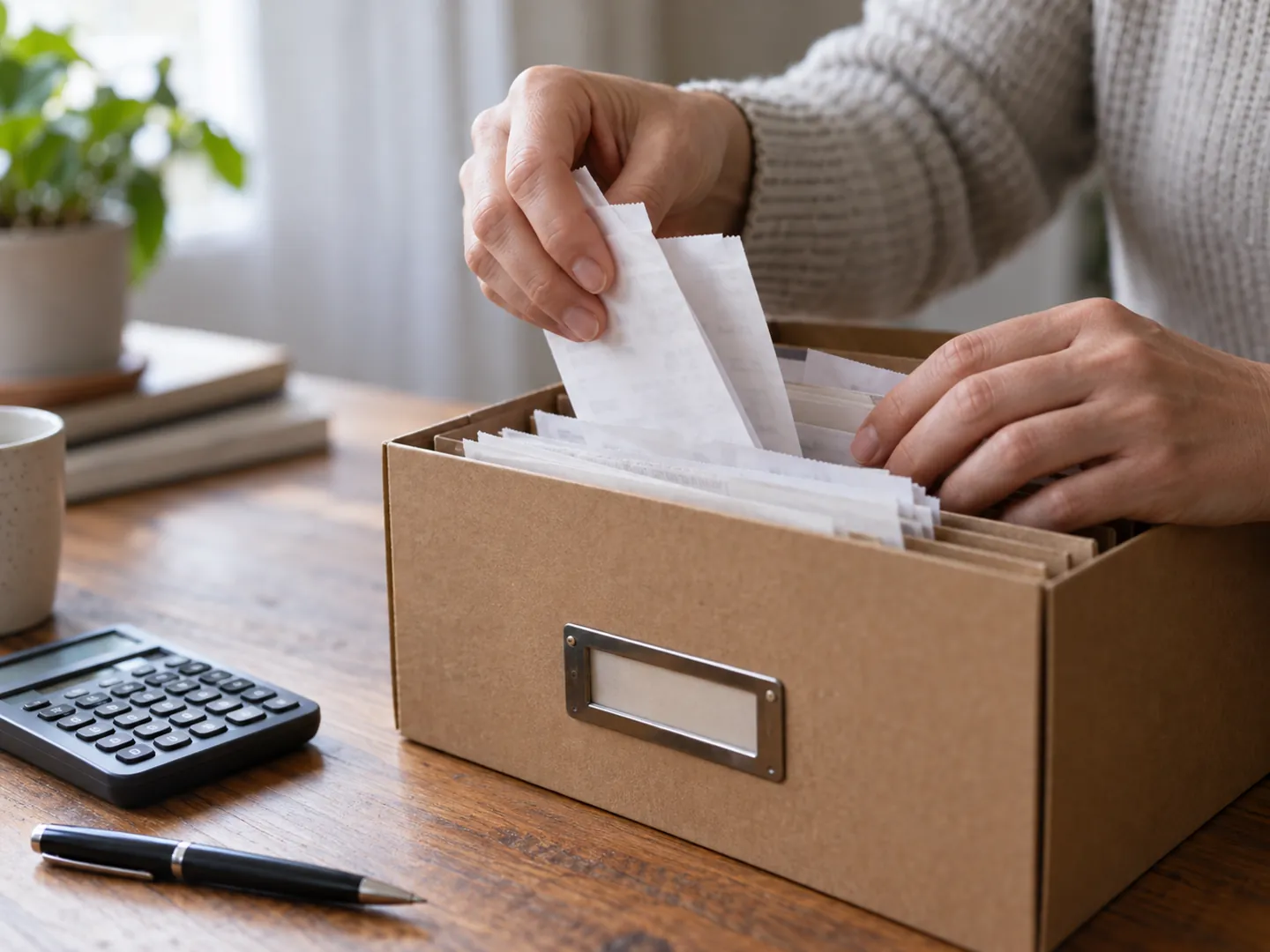
When you start trading you must keep records, GOV.UK says. They are what you use to work out your profit or loss for your tax return.
The stepsDATES
Tell HMRC by 5 October if you need to file a return for the previous tax year. Online returns and payment are due by 31 January.
Check the datesA QUICK DATE CHECK
Pick where you are to see what GOV.UK says comes next. The bar shows how pressing the next step is.
Based on GOV.UK pages on setting up as a sole trader and Self Assessment deadlines and penalties, as published in October 2026. General information, not tax advice.
TWO NUMBERS WORTH KNOWING
One figure tells you when to register,
one shows the cost of filing late.
£1,000
Self-employed earnings in a tax year before you must register
GOV.UK says you must register for Self Assessment if you earn more than £1,000 in a tax year (6 April to 5 April). You can register earlier, and you can start trading before you register.
REGISTERING · GOV.UK
£100
Initial penalty for a late tax return
If your return is late there is an initial £100 penalty. After 3 months you can be charged £10 a day up to £900, and further penalties follow at 6 and 12 months.
LATE FILING · GOV.UK
Late payment has its own penalties: 5% of the tax unpaid at 30 days, 6 months and 12 months, and interest is charged on the amount owed.
THE GOV.UK STEPS
GOV.UK sets out seven steps for becoming a sole trader. These are the first four in plain English.
Make sure being a sole trader fits the way you work before you start.
You can trade under your own name or a trading name; do it as soon as you start working for yourself.
From your first day of trading, keep the records you will need to work out your profit or loss.
Register for Self Assessment once you earn more than £1,000 in a tax year, and tell HMRC by 5 October.

THE SIGNS OF SELF-EMPLOYMENT
GOV.UK says someone is probably self-employed if most of these apply: they bid or quote for work, are not under direct supervision, send invoices, pay their own tax and National Insurance, and do not get holiday or sick pay.
Employment law does not cover self-employed people in most cases, GOV.UK says, but they still have protection of their health and safety, in some cases protection against discrimination, and the rights set out in their contract with the client.
Questions
GOV.UK says you must register for Self Assessment if you earn more than £1,000 from self-employment in a tax year, which runs from 6 April to 5 April. You can choose to register earlier.
By 5 October, if you need to file a tax return for the previous tax year, according to GOV.UK's Self Assessment deadlines page.
GOV.UK lists 11:59pm on 31 October 2026 for paper returns and 11:59pm on 31 January 2027 for online returns. Payment is also due by 31 January 2027.
There is an initial £100 penalty. After 3 months you can be charged £10 a day up to £900, with further penalties of 5% of the tax due or £300, whichever is greater, at 6 and 12 months.
In most cases employment law does not cover self-employed people. GOV.UK says they still have health and safety protection, in some cases protection against discrimination, and the rights in their contract.
Sources
ABOUT THIS NAME
doodlefreelance.com is part of the DoodleSale portfolio. It isn't in an auction right now, but you can ask about leasing it.